Skate, Shoot, Smile: A Welcoming Path Onto the Ice

Today we dive into organizing beginner-friendly stick-and-puck meetups, guiding you through every step from first outreach to final high-fives. Expect practical tips, compassionate structures, and playful ideas that transform nerves into joy, nurture safety and learning, and bring brand-new skaters into a supportive, lasting community.

Helping First-Timers Feel at Home

Outline arrival steps, rental options, where to lace up, and how to join the warmup circle. Describe how stick-and-puck differs from scrimmage, explain no-contact expectations, and share that falling is normal. Normalize pauses for breath, celebrate controlled skating, and promise supportive coaching that meets each person exactly where they are.
Set boundaries that protect beginners: no slapshots near crowded areas, no body checking, and heads-up skating at all times. Explain why rules exist, not just what they are. Post them in plain language, repeat them kindly, and model them yourself, so safety feels like care, not rigidity or gatekeeping.
Open with gentle laps, balance drills at the boards, and stick handling while standing still. Add slow, playful puck touches and partner passes over short distances. Keep instruction brief, repeat cues often, and praise effort. When beginners feel seen and safe, they naturally explore, learn, and smile more with every stride.

Smart Scheduling and Smooth Structures

Predictable, beginner-centered scheduling can be the difference between turnout and tumbleweeds. Anchor sessions at consistent times, keep durations manageable, and organize the flow from check-in through cooldown. Structure creates psychological safety: when people know what happens next, they try new skills, stay longer, and return with friends who need the same kindness.

Gear, Safety, and Comfort for Every Skater

Essential Equipment Without Breaking the Bank

Share a tiered list: must-haves like helmet, gloves, skates; should-haves like shin guards and elbow pads; nice-to-haves like padded shorts and neck guards. Point newcomers to rental programs, gently used gear swaps, and seasonal discounts. Emphasize fit and comfort over brand names, because confidence grows fastest in gear that truly fits.

Safety Standards Everyone Understands

Keep pucks low near crowds, no slapshots unless a lane is clearly open, and maintain wide passing lanes. Encourage heads-up skating and vocal cues like “left” or “lane.” Provide cones to separate spaces, remind players to control rebounds, and assign a volunteer to monitor flow. Clarity prevents collisions and grows mutual trust.

Making Sessions Accessible and Inclusive

Offer loaner sticks, extra laces, and spare mouthguards. Provide clear signage, an intro corner by the boards, and seating for easy rest. Use person-first language, honor different learning speeds, and invite feedback. If feasible, host quieter sessions with softer lights and music, ensuring everyone experiences the rink as a welcoming, affirming place.

Guidance That Encourages, Not Intimidates
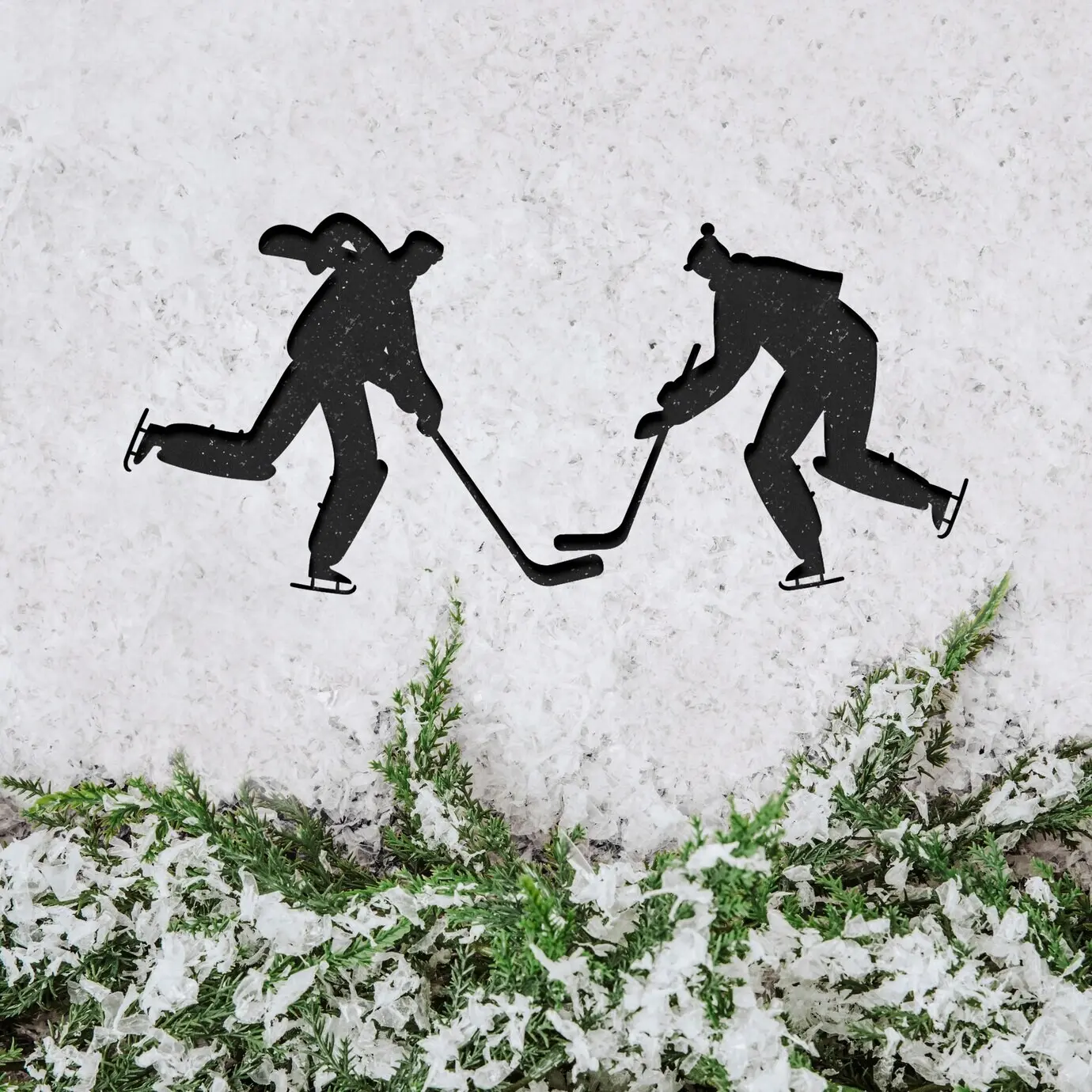
Coaches and volunteers set the tone. Gentle voices, short drills, and consistent praise build resilient learners. Replace jargon with simple cues and celebrate incremental steps. When mentors model patience, beginners relax into the process, ask questions, and keep coming back, transforming occasional attendance into a steady, enthusiastic skating habit.

Communication That Builds Community

Thoughtful messages turn strangers into teammates. Clear invites, friendly reminders, and honest updates create trust. Share expectations early, recap highlights afterward, and invite feedback often. Use inclusive language, feature real beginners, and celebrate community milestones, allowing social posts and emails to feel like warm conversations instead of cold announcements.

Crafting Welcoming Messages

Lead with reassurance: no experience needed, supportive guidance provided, and all ages welcome within rink policies. Include parking tips, rental info, and what to bring. Share a mini-story of someone’s first successful stop. This human touch reduces anxiety, builds anticipation, and helps newcomers picture themselves gliding confidently under the rink lights.

Sign-Ups, Waitlists, and No-Shows

Use simple tools with clear caps to avoid crowding. Offer waitlists and automatic notifications when spots open. Kindly confirm attendance, outline a no-show policy, and provide easy cancellations. Transparent systems respect everyone’s time and ensure that ice time goes to skaters who can attend, keeping sessions balanced, friendly, and fair.

Social Media That Tells Real Stories

Share brief clips of beginners practicing stops, testimonials about conquering nerves, and highlights from gentle passing circles. Focus on faces, not just speeds. Caption with encouragement and actionable tips. Ask questions, invite comments, and spotlight volunteers. Authentic storytelling widens your reach while honoring the courage it takes to start skating.

Sustainable Budgets and Supportive Partnerships

A steady financial plan keeps the doors open and the ice reserved. Combine fair fees with transparency, explore local sponsorships, and strengthen relationships with rink managers. Practical logistics—insurance, waivers, and simple payment systems—reduce friction and let the heart of your gathering shine: inclusive, safe, beginner-centered fun.
Rufuvuluromevifixeveze
Privacy Overview

This website uses cookies so that we can provide you with the best user experience possible. Cookie information is stored in your browser and performs functions such as recognising you when you return to our website and helping our team to understand which sections of the website you find most interesting and useful.