Spontaneous Hockey Nights and Unforgettable Watch Parties
Lacing Up for Spontaneous Ice
{{SECTION_SUBTITLE}}
Finding Ice, Fast

Rounding Up a Balanced Crew
Skates, Stick, and Smart Layers
Protective Essentials That Matter
Pack-and-Go Checklist
Gear That Works Without Overthinking
The Unwritten Code on Open Ice
Fair Shifts and Rolling Lines
Aim for 45–60 second shifts and change on the fly after crossing the red line. Tap your helmet or shout a friendly cue when you need a swap. Avoid marathon shifts that tire teammates and tilt balance. If benches are uneven, rotate volunteers. Respect age, speed, and stamina differences. The goal is shared flow, not personal heroics. When everyone touches the puck, the ice feels bigger, friendlier, and much more fun for players on both benches.
Goalie Gratitude and Shot Selection
Warm goalies gently before ripping heat, and never target heads. Announce screens, avoid hacking at covered pucks, and thank them after good saves. Without goalies, nights fall apart quickly. Challenge them with variety—low blockers, dekes, and quick releases—while keeping chaos respectful. Rotate shooters on breakaways. Offer water in long runs, and ask for honest preferences about pace or drills. Mutual consideration creates trust, and trust invites bolder plays where both shooters and netminders enjoy the dance.
Calling It Clean
Set simple ground rules: no checking, gentle angling only, and no slapshots in traffic. Keep sticks below the waist, and mind body control along the boards. When contact happens, stop and check in. Disputes over goals or offsides? Call a re‑do with smiles. Staying calm protects community and ice access, because rinks welcome groups who leave good impressions. Modeling composure teaches newcomers how to play hard and treat people even better, which keeps nights thriving.
Sharpen Skills Between Laughs
Hosting a Watch Party That Feels Like Overtime
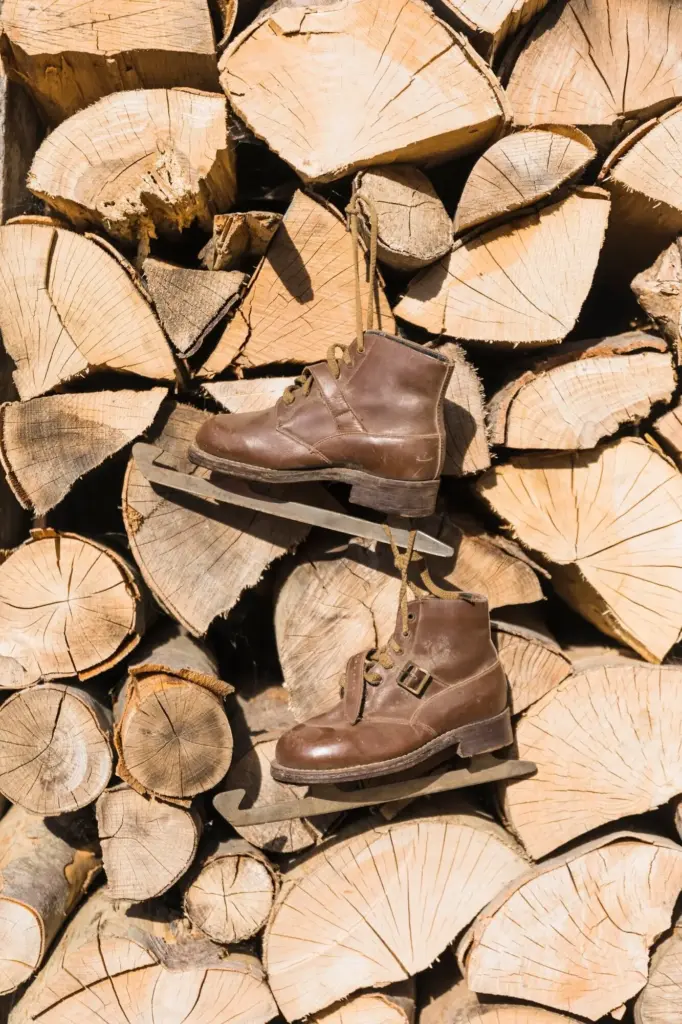
Screen, Sound, and Seats
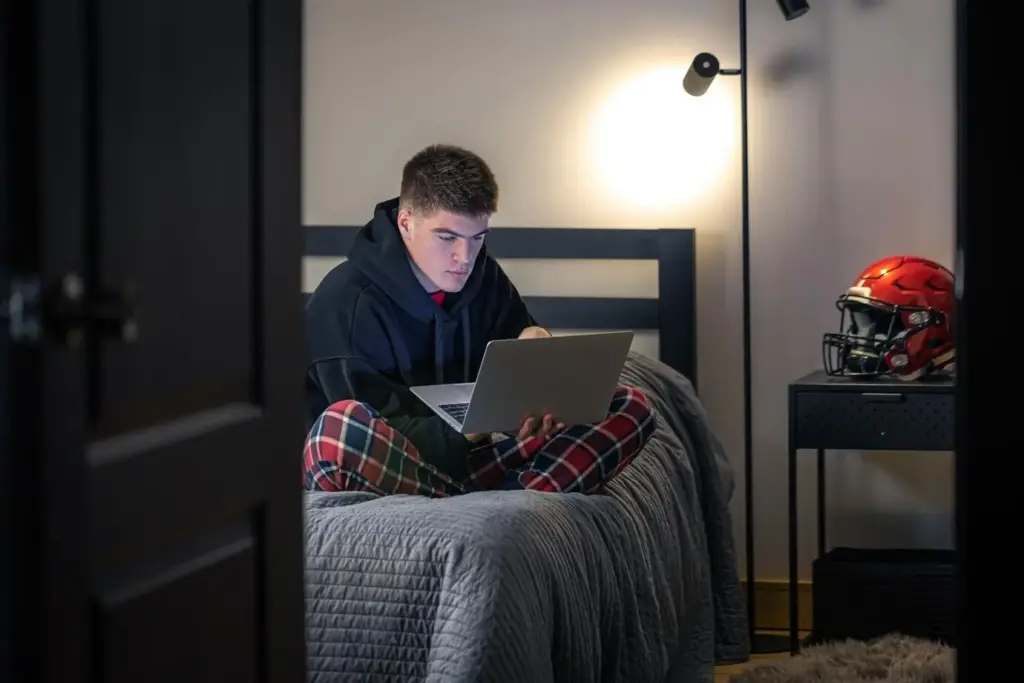
Snacks That Travel From Bench to Couch

Pacing the Night With Intermissions
Keep the Community Rolling