Open Ice, Open Hearts: Inclusive Rec Hockey For All

Start With Belonging: Foundations That Invite Everyone In
A Code of Conduct People Believe In
Keep it short, readable, and alive. State zero tolerance for slurs and harassment, outline contact expectations, and describe enforcement with specific examples. Train captains and bench leads to act early and de-escalate. Post it everywhere—registration pages, locker doors, and social feeds. Invite player feedback, publish revisions, and show receipts when accountability happens. Consistency isn’t punitive; it is protective, especially for new skaters, trans players, and folks returning after bad experiences elsewhere.
Names, Pronouns, and Rosters That Respect Identity
Normalize introductions with names and pronouns during warm-up, but allow participants to pass if they prefer privacy. Offer optional pronoun stickers and roster notes. Ensure registration forms accept chosen names, not just legal fields. Avoid gendered grouping unless safety requires it, then explain why and revisit. Let players update details easily without awkward conversations. Respect on paper becomes respect on benches, where trust builds when people are addressed correctly and never forced to out themselves.
Volunteer Roles That Share Ownership
Create rotating roles—bench captain, safety spotter, welcome buddy, puck wrangler—so responsibility doesn’t fall on the same people, often queer or marginalized leaders who already carry invisible labor. Define each role in a simple one-sheet. Recruit widely and invite newer players to shadow. Ownership spreads pride, catches issues sooner, and keeps the vibe steady during busy weeks. When volunteers feel supported and appreciated, your culture remains sturdy even as attendance surges and seasons change.

Pickup Formats That Keep the Bench Smiling
Borrow Bins and Sizing Help
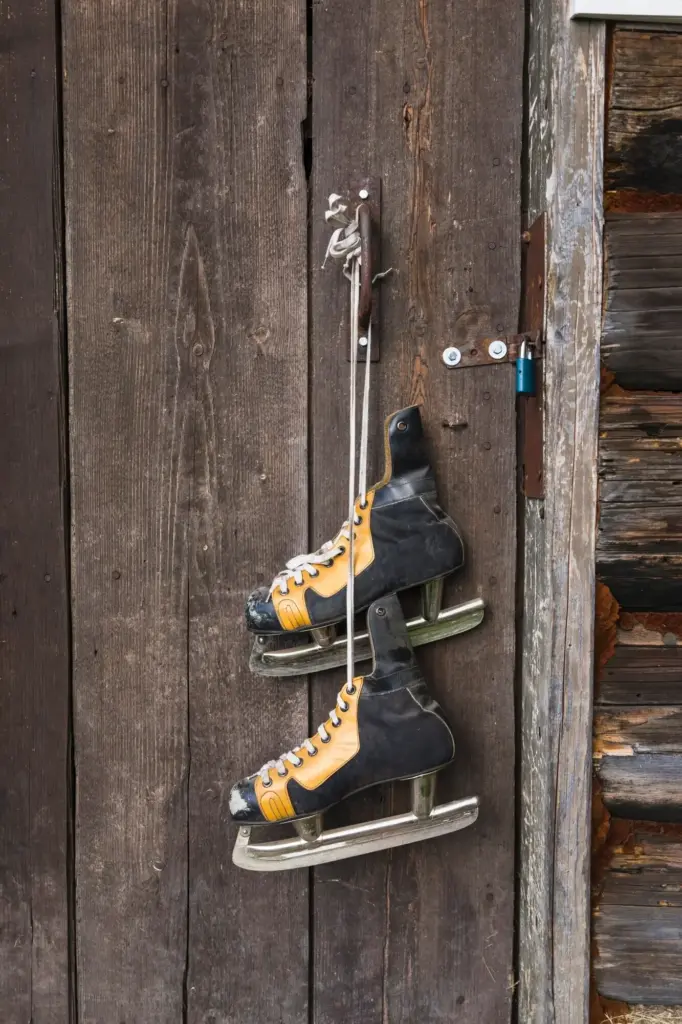
Transparent Fees and Sliding-Scale Passes

First Skate Buddies and Arrival Guides
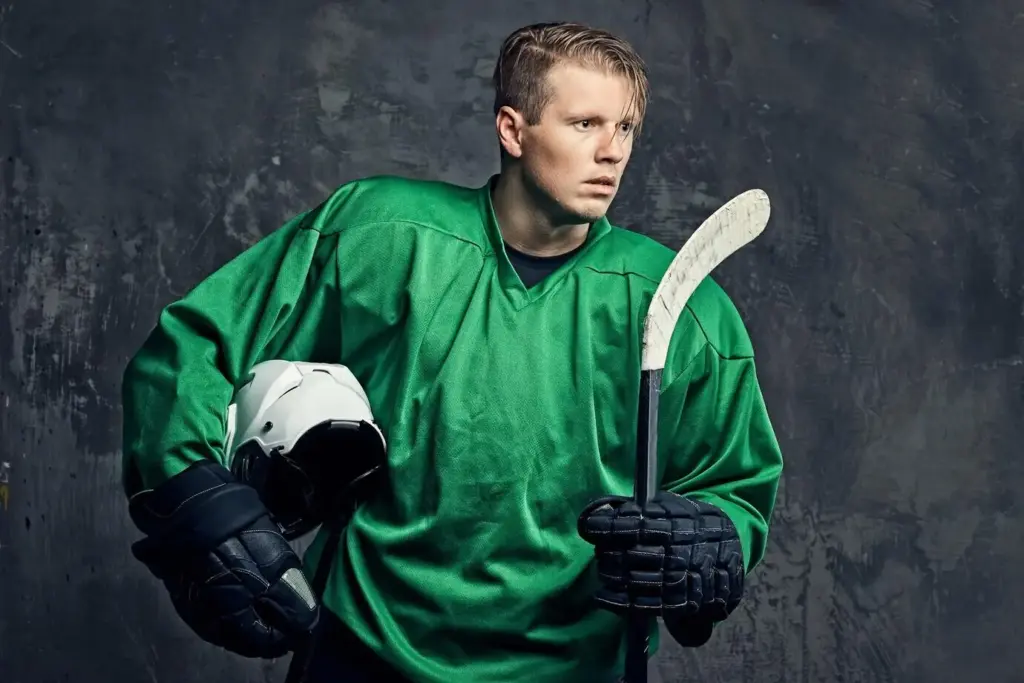
Locker Rooms, Language, and On-Ice Safety
Spaces That Fit Bodies and Boundaries
Work with rinks to unlock family rooms, add curtains, and fix broken hooks. Post a clear map of changing options and travel paths. Encourage players to dress partially at home if that feels safer. Provide bench towel guidelines and encourage consent before photos. Share a culture note: curiosity is fine, but personal questions about bodies or histories are not. Protecting boundaries helps trans and nonbinary players exhale, which helps everyone move, breathe, and skate more freely.
Words Matter More Than You Think
Replace sarcasm with specific encouragement. Ban gendered insults and jokes about toughness. Model consent language with gentle taps and quick verbal checks, especially after incidental contact. Use names correctly and honor self-described positions or comfort zones. When someone slips, correct kindly and keep moving. A supportive soundscape—short, clear cues and cheerful praise—changes tempo. You will hear it on the bench: quieter nerves, tighter passes, and that contagious giggle after a glorious, wobbly first backward crossover.
Contact Rules For Mixed Experience
Define legal body positioning, no full checks, and how to approach corners at lower speed. Encourage stick-on-puck defense and lane control over big hits. Call anything reckless immediately, even from seasoned skaters. Emphasize shoulder-checking for awareness and glove taps after accidental tangles. Safety-first doesn’t dull the game; it elevates creativity. With predictable contact norms, beginners experiment, experienced players protect, and everyone enjoys end-to-end rushes that end in smiles, taps on pads, and grateful breaths.



Grow and Thrive: Outreach, Storytelling, and Sustainability